
Online Virtual Summits
DFIR - OSINT - CYBER
PFIC is embracing a new format in 2026 with the introduction of the PFIC Quarterly Summits, a high-impact virtual event held once every quarter! Each PFIC Summit Day is designed to deliver concentrated, cutting-edge content essential for DFIR, OSINT, and Cyber professionals.
Registration grants you access to the specific virtual sessions for that date, the exclusive PFIC Portal, and valuable networking opportunities. All Enrollment is Complimentary due to our sponsors!
Important Note:
To attend, you must register for each quarterly PFIC Summit Day date separately to gain access to that specific virtual event.
Our Sponsors




PFIC Spring Session April 8, 2026
9 AM to 1 PM (Eastern Time Zone)
9:00 AM to 10:00 AM
Leading DFIR in the Age of AI: Decisions, Trust, and Responsibility
Artificial Intelligence is increasingly embedded in Digital Forensics and Incident Response (DFIR), transforming how cyber incidents are detected, analyzed, and managed. While AI enhances speed and analytical capability, it also introduces new challenges related to decision transparency, evidentiary integrity, and accountability. In this evolving landscape, effective DFIR leadership extends beyond technical expertise to strategic judgment, trust-building, and responsible decision-making.
This session draws on advanced DFIR research, established leadership models, and practical incident response experience to examine how leaders must adapt when AI influences investigative and response outcomes. It highlights the importance of governing AI-assisted decisions, maintaining forensic defensibility, and communicating risk effectively to executive and regulatory stakeholders.
Attendees will gain insight into how DFIR leaders can integrate AI responsibly into response operations while preserving human oversight, organizational trust, and professional accountability. The session is intended for DFIR professionals, cybersecurity leaders, and executives seeking to lead with clarity and confidence in an AI-driven threat environment.
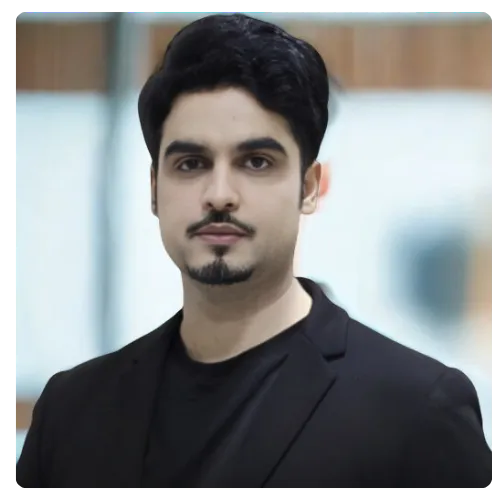
Talha Riaz
Talha Riaz is a DFIR innovator and keynote speaker with over a decade of experience in Digital Forensics and Incident Response. He specializes in investigations across Windows, Linux, mobile, and drone platforms, with expertise in SIEM, threat hunting, malware analysis, active defense, and DFIR automation. Talha is known for delivering practical, real-world insights that help organizations respond effectively to modern cyber threats.
10:00 AM to 11:00 AM
The Invisible Evidence Trail: Unpacking Scams That Evade Traditional DFIR Workflows
Fraud and scam operations have evolved far beyond the patterns most DFIR teams were trained to recognize. Today’s attackers blend AI-generated content, social-engineering psychology, ephemeral communication channels, and real-time payment mechanisms to create incidents that leave little—or unexpected—digital residue. While these schemes rarely resemble classic intrusions, they still produce artifacts, signals, and behavioral patterns that forensic investigators can surface… if they know where to look. This session exposes the newest fraud and scam techniques targeting consumers, enterprises, and frontline employees—including voice-cloning cons, deepfake-driven approval fraud, refund manipulation, policy-abuse rings, and real-time payment hijacks. Attendees will learn how these attacks unfold, the evidence paths they generate across mobile, IoT, and social platforms, and how investigative workflows must adapt to capture them. You’ll walk away with actionable guidance on identifying hidden trails, recognizing human-layer exploitation, and integrating fraud intelligence into modern DFIR investigations.
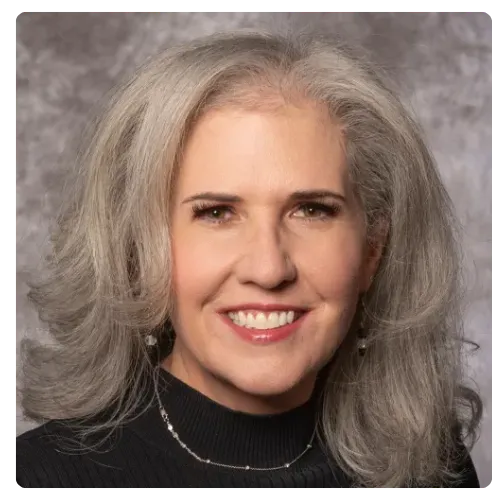
Tracy Kobeda Brown
Tracy Kobeda Brown is a global speaker and technology executive specializing in fraud, risk, and emerging threats. Known as The Fraud Futurist™, she lead the technology teams building American Eagle’s ae.com in the early days of eCommerce, has partnered with the FBI on global cybercrime takedowns, and has educated the world’s largest eCommerce companies on evolving fraud trends. Tracy shares real-world fraud and scam stories, paired with practical guidance, to help organizations and employees recognize and respond to today’s evolving fraud threats.
linkedin: www.linkedin.com/in/tracykobedabrown
website (launches this week): www.tracykbrown.com
11:00 AM to Noon
Beyond Streaming -Forensic Examination of Amazon Fire TV Devices: Practical Workflows & Artifact Insights
Amazon Fire TV devices are increasingly present in modern digital ecosystems, functioning not only as media-streaming platforms but also as network-connected endpoints tied to user accounts, third-party applications, and cloud services. Despite their widespread adoption, FireOS-based devices remain underrepresented in digital forensic literature and practitioner workflows. This gap presents both technical challenges and investigative opportunities for forensic analysts encountering Fire TV devices in criminal investigations, malware analysis, and incident response scenarios. This presentation provides a practical, forensic-driven examination of Amazon Fire TV and Fire TV Stick devices, focusing on non-root acquisition strategies, artifact discovery, and application-level analysis. The session begins with an overview of FireOS architecture and its Android-derived filesystem, highlighting partition layouts and directories of forensic relevance. It then demonstrates a structured acquisition workflow using Android Debug Bridge (ADB) to perform logical data extraction while preserving evidentiary integrity.
A key component of the presentation explores the extraction and reverse engineering of installed Fire TV applications. By pulling application packages (APKs) from the device and decompiling them using tools such as DEX2JAR and JD-GUI, the talk illustrates how investigators can analyze application resources, classes, and configuration logic to identify data storage behavior and artifacts material to an investigation. This approach is particularly valuable in cases involving suspected malicious applications, unauthorized monitoring, or application-based activity reconstruction.
Attendees will leave with a clear understanding of how Fire TV devices can be examined forensically without device modification, what types of artifacts are realistically obtainable, and how reverse engineering complements traditional forensic analysis. The presentation is designed for forensic practitioners, investigators, and advanced students seeking to expand their capabilities beyond mobile phones and into emerging consumer-device ecosystems.
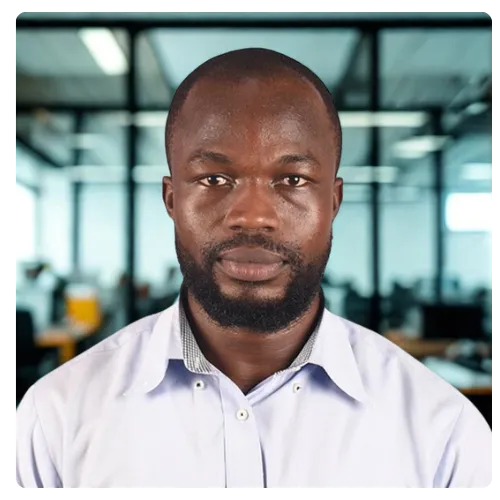
Daniel Addai
Daniel Kwaku Ntiamoah Addai is a digital forensics and incident response professional specializing in mobile, embedded, and emerging device investigations. He has hands-on experience conducting forensic examinations across Android, iOS, macOS, Windows, and IoT-based platforms, with a strong focus on artifact extraction, application analysis, and evidence interpretation. Daniel’s work spans criminal investigations, malware analysis, and incident response engagements involving both consumer and enterprise environments.
He is actively involved in academic research and applied forensic methodology development, with interests in reverse engineering, memory forensics, and forensic automation. Daniel also contributes to forensic education through structured walkthroughs and technical writing aimed at advancing practitioner knowledge beyond traditional endpoints. His recent work explores the forensic examination of Amazon Fire TV devices, highlighting practical acquisition workflows, artifact discovery, and application reverse engineering techniques.
Daniel brings a practitioner-driven perspective that bridges real-world casework, research, and advanced forensic education.
Noon to 1:00 PM
From Posts to Places: Practical Geolocation
When seconds count, public digital information can help narrow a person's or a post's location fast without needing access to private data. This talk explains triangulation (bearings) and trilateration (distances) in plain language, then demonstrates how responders can leverage social posts, app signals, and environmental context to identify actionable search areas. We'll cover how to use GPS-enabled posts, how to estimate location when apps only provide distance ranges, how to utilize radius-based searches to confirm whether someone is within a zone, and how to convert context clues such as landmarks, transit, signage, weather, and time of day into real coordinates. The outcome is a simple, repeatable triage approach that helps teams transition from "somewhere out there" to a clear map area and a corresponding confidence level quickly and responsibly.
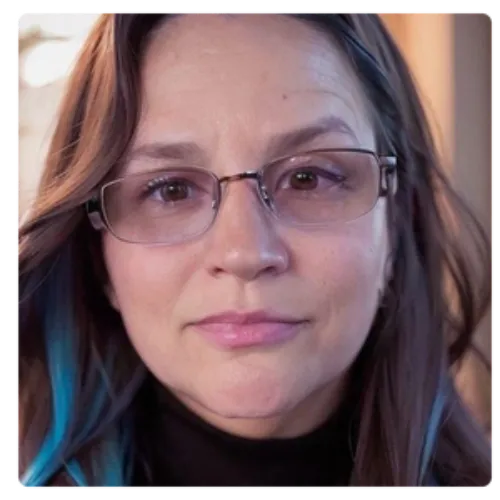
Kirby Plessas
Kirby is founder and CEO of Plessas Experts Network, Inc. Kirby established herself as one of the foremost tradecraft experts in OSINT through a career as a member of the U.S. Military and as a contractor.
Our Sponsors
PFIC Summer Session August 26, 2026
9 AM to 1 PM (Eastern Time Zone)
9:00 AM to 10:00 AM
Tackling the Cloud for Digital Evidence
Cloud data is growing every day with more migrations with companies, and Apps. Finding successful ways to capture and find data in big and little cloud environments is a critical skill for digital investigators. Learn the process for cloud capture and best way to maintain the data sources.
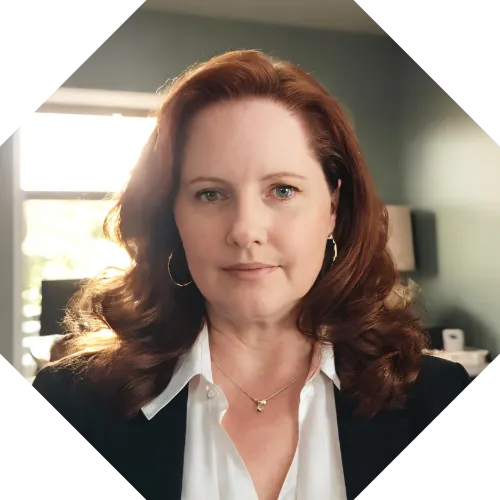
Amber Schroader
With over 30 years of innovation in digital forensics, Ms. Schroader has developed cutting-edge recovery software for everything from smartphones to cloud storage. She is the architect of the "Forensics of Everything" (FoE) framework, a holistic approach to evidence that has set global standards for seizure and processing protocols. Beyond her technical contributions, she is an influential educator and founder of industry certifications, dedicated to shaping the future of the field through her teaching, writing, and speaking.
10:00 AM to 11:00 AM
AI-Augmented OSINT: How Investigators Can Leverage Automation Without Losing Tradecraft
This session explores how AI is transforming modern OSINT investigations by enhancing collection, accelerating verification, and uncovering patterns that analysts traditionally miss under time pressure. We’ll break down practical, real-world workflows where AI assists—not replaces—the investigator: automated data triage, rapid media verification, GEOINT enhancement, entity extraction, anomaly detection, and cross-platform correlation. Attendees will learn how to integrate AI tools responsibly, avoid hallucination pitfalls, and maintain proper analytical tradecraft while operating at higher speed and scale. The session demonstrates how human judgment and machine efficiency combine to deliver stronger, faster, and more defensible intelligence outputs.
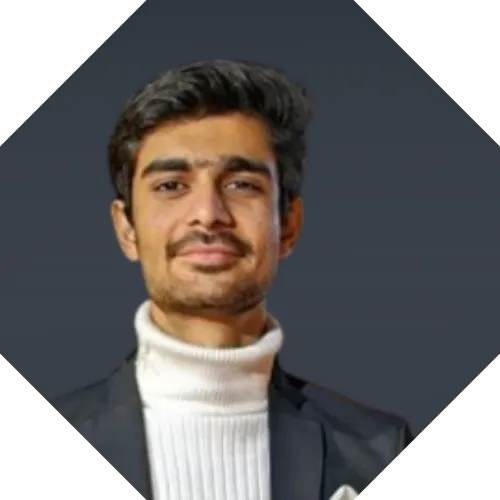
Zaid Asghar
Zaid Asghar is a DFIR and OSINT practitioner specializing in digital investigations, cyber incident analysis, and geospatial intelligence. My work focuses on mapping threat activity across digital and physical domains, leveraging open-source intelligence, log forensics, and geolocation techniques to produce clear, operationally useful insights.
I have contributed to cases involving cyber-enabled crime, extremist networks, and cross-border information operations, applying structured analytical methods to rapidly validate facts, track digital footprints, and support decision-makers. My approach blends disciplined forensic methodology with investigative creativity, enabling me to break down complex events and reconstruct timelines with accuracy and speed.
11:00 AM to Noon
An Overview of Equipment, Techniques
and Applicability of RF Surveying (“Drive Scans”)
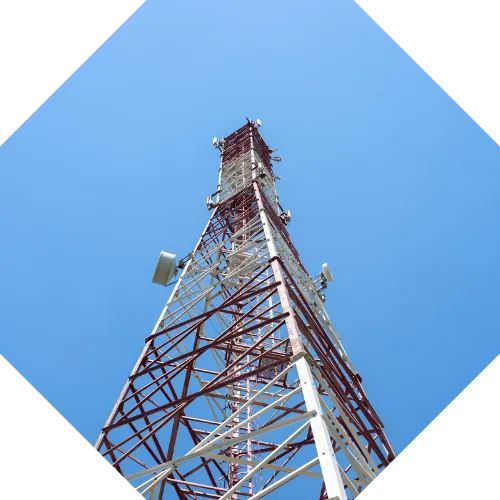
This presentation explores the tools, techniques and contexts in which RF surveys
(commonly known as Drive Scans) can aid investigators and includes real-world
investigations in which RF surveys provided critical evidence.
It will begin with an overview of the various types of surveys and when they are
applicable, followed by an overview of the three categories of surveying
equipment including relative benefits of each. With that background, real-world
scenarios and case studies will be presented including some where RF surveying
is likely to advance an investigation and some in which RF surveying is unlikely to
be useful.
A key goal of the presenters is help attendees develop a good sense of when—
and when not—to undertake RF surveys.
Key topic covered:
• Timing Advance: what it is and is not, and its investigative value
• Equipment Analysis: comparative benefits of cell phones, SIM-based
surveyors, and RF scanners
• Good Practice: essential do’s and don’ts while conducting RF surveys
• Case Studies: practical applications and lessons learned in the field
Time will be allotted during and after the after the presentation for questions.
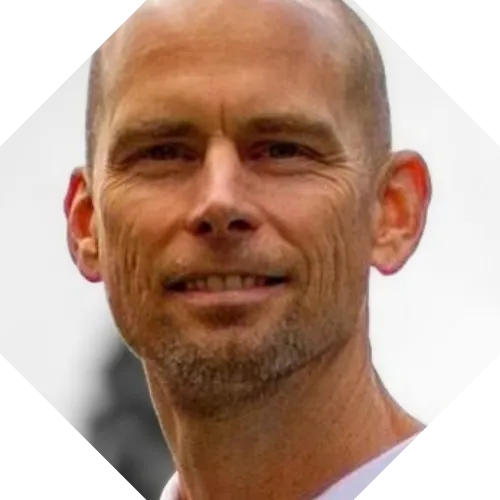
Josh Pittsley
Josh Pittsley serves as a Senior District Attorney Investigator with the San Diego
County District Attorney's Office, where he's assigned to a specialized
investigative unit focused on leveraging digital data to identify and locate
sophisticated criminal organizations. With over 20 years of law enforcement
experience, Josh has worked a range of assignments, including collision
reconstruction, DUI homicide investigations, organized crime, and complex
homicides. He is recognized as an expert in historical call detail record and
geolocation analysis, providing expert testimony for investigations spanning
multiple jurisdictions and states. Josh possesses advanced expertise in obtaining
and analyzing Tower Dump and Area Search data, which has enabled his team to
successfully identify and apprehend organized burglary crews responsible for
millions of dollars in losses nationwide. As a subject matter expert in the use of
NightHawk, Josh regularly provides investigative support and training to law
enforcement agencies, as well as presenting at investigative conferences.
Matt Brenner
Matt Brenner is the president of SingularIoT, author of the book, Cellular IoT: A
Practical Guide For Software Developer and Electrical Engineers (2026, by Wiley),
member of the Scientific Working Group on Digital Evidence (SWGDE), and
inventor and designer of Surveyor, a state-of-the-art, SIM-based surveying
device.
Noon to 1:00 PM
Addressing Single Point of Failure in Group Communication of Constrained Environments
Group communication with multicast messaging in a constrained environment (e.g., the Internet of Things, Adhoc Networks) is widely deployed in many applications. In most of deployed architecture, a central server (e.g., a group controller, group manager) is given the responsibility of managing keys and secure messaging of different communicating parties of the system, which creates a serious risk of the system’s single point of failure. If this central server is compromised, it exposes the entire group key, compromises the whole network architecture. To address this vulnerability, we present a solution in the form of a distributed group key generator algorithm. The proposed algorithm distributes the responsibility of generating and managing group keys among multiple entities or servers. The distributed group key generator algorithm incorporates a specific threshold mechanism which makes sure that in the process of key regeneration, atleast that threshold number of entities are required. By doing this, the possibility of a single point of failure is decreased, and the whole system’s security is improved.
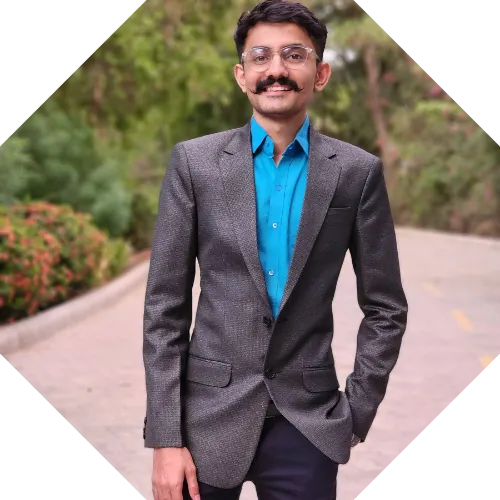
Sarvagn Pathak
Sarvagn (S. D.) Pathak is a cybersecurity researcher and M.S. student in Cybersecurity & Privacy, with a strong focus on vulnerability research, network security, and real-world exploit analysis. He has discovered and responsibly disclosed multiple critical security vulnerabilities across public- and private-sector systems, earning Hall of Fame recognitions and letters of appreciation from organizations such as NASA, the World Health Organization (WHO), and several government agencies in the United States, Europe, and Australia.
He is the co-author of peer-reviewed research papers in cryptography, network security, and large-scale vulnerability discovery. His research bridges offensive security techniques with practical defense strategies, focusing on how attackers actually discover and exploit systems at scale.
Sarvagn has also had multiple CVEs assigned for vulnerabilities he discovered in widely used software components, and he previously interned under a defense research organization, where he worked on malware analysis and adversarial machine-learning–based detection systems. In addition to research, he has hands-on experience in network engineering, system administration, and large-scale infrastructure analysis through industry roles in telecom and network operations.
Through his talks and workshops, Sarvagn aims to demystify how real attackers think, emphasize the importance of responsible disclosure, and inspire students to pursue impactful security research that benefits both industry and society.
Our Sponsors
PFIC Fall Session November 19, 2026
9 AM to 1 PM (Eastern Time Zone)
9:00 AM to 10:00 AM
Legal trends in digital investigations: AI, Validation Reference Models, and Rules of Evidence
According to the Pew Research Center, 97% of American adults own a cellphone, and the average smartphone user generates gigabytes of data each month across messaging applications, social media platforms, cloud storage services, and health-monitoring applications. For litigators, this data has created opportunities for evidence gathering and challenges for preservation, authentication, and privacy concerns.
This seminar explains and offers suggestions regarding five critical practice areas: (1) preservation workflows under FRCP 37(e), including the unique challenges posed by ephemeral messaging applications; (2) defensible strategies for delimiting the scope of preservation and analysis; (3) proportionality analysis under FRCP 26(b)(1) as applied to mobile device and social media discovery; (4) validation of forensic methodology and tools, including hash-value authentication under FRE 901 and 902; and (5) attorney ethical and practical obligations when supervising technical vendors.
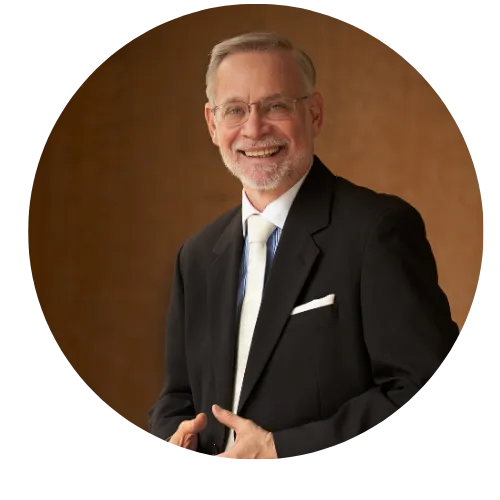
Don Wochna
Attorney Wochna is among the few attorneys in the United States certified as a testifying computer/cell phone forensic expert (CCFE and CMFE) and practicing as an experienced litigator. When engaged as a testifying digital forensic expert witness, Wochna integrates his legal and digital forensic expertise with a critical application of the 2023 modification of Federal Evidence Rule 702 (and similar adoption of state rules of evidence) to identify deficiencies in digital expert party opponent analysis and/or prosecutorial evidentiary arguments.
10:00 AM to 11:00 AM
Anatomy of a Deepfake: Digital Forensics for Synthetic Media
Performing analysis of fake images and videos can be challenging considering the plethora of techniques that can be used to create a deepfake. In this session, we'll explore methods for identifying fake images and videos whether created by AI, photoshopped, or GAN-generated media. We'll then use this for the basis of a live demonstration walking through methods of exposing signs of alteration or AI generation using more than a dozen techniques to expose these forgeries. We'll also highlight a free GPT tool for performing your own analysis. Finally, we'll provide additional resources and thoughts for the future of deepfake detection.
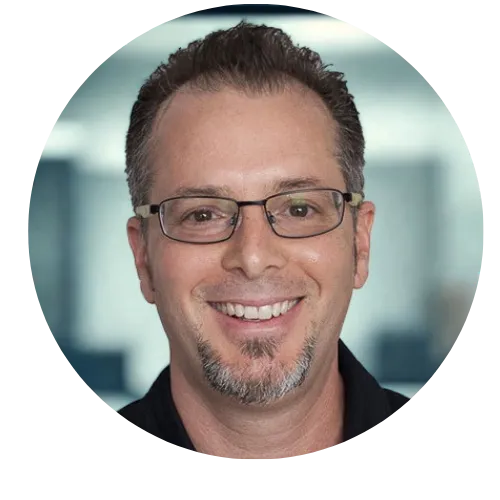
Mike Raggo
Mike Raggo, Co-Founder, SilentSignals, Inc. has over 30 years of security research experience. During this time, he has uncovered and ethically disclosed vulnerabilities in products including Samsung, Checkpoint, and Netgear. Michael is the author of “Mobile Data Loss: Threats & Countermeasures” and “Data Hiding” for Syngress Books. He is also a frequent presenter at security conferences including Black Hat, DEF CON, Gartner, RSA, DoD Cyber Crime, OWASP, and SANS. He was also awarded the Pentagon’s Certificate of Appreciation.
11:00 AM to Noon
Knowing When It is Time to Retire or Seek Other Part Time Work
In the high-stakes world of digital forensics, we’re trained to spot the signs of system failure—but we often miss the signs in ourselves. Between the relentless pace of tech cycles and the heavy cognitive load of investigative work, every digital investigator eventually faces a critical question:
How much longer?
This session tackles the "taboo" of career transition in DFIR. We’ll dive into the diagnostic markers of investigative burnout, from the fading of technical curiosity to the weight of secondary trauma. Whether you’re looking to downshift into specialized consultancy, transition into expert witness work, or move into a "Greybeard" advisory role, this talk provides a roadmap for a graceful exit. Learn how to leverage your decades of technical expertise into a sustainable part-time career or a fulfilling retirement without losing your professional identity. It’s time to move beyond the bitstream and plan your own successful reboot.
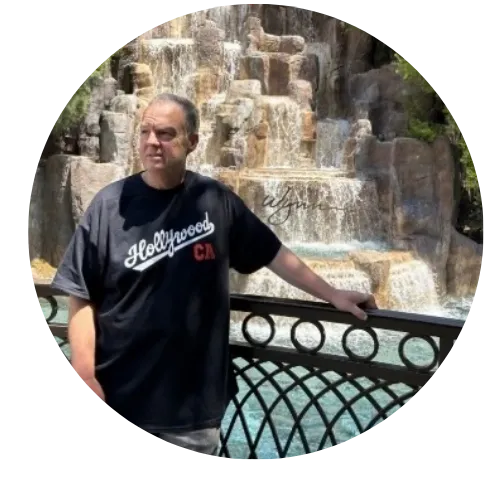
Eamon Doherty
Professor Emeritus Eamon Doherty CISSP, SSCP teaches part time online at Fairleigh Dickinson University in New Jersey. He presently teaches 2 graduate school classes. They are, "Introduction to Network Security," and "Current Issues in Cyber Forensics." Dr. Doherty was the Director of the FDU Cybercrime Training Lab from 2005-2016 and also taught continuing education classes such as, "Introduction to PDA Forensics," "Introduction to Cell Phone Forensics," "Introduction to Digital Camera Forensics," "Introduction to GPS Forensics," and "Introduction to Electronic Eavesdropping Device and Wiretap Detection." He was a member of the FBI Infragard and the New Jersey Regional Homeland Security Technology Committee." Dr. Doherty also wrote a variety of books including, "Computer Recreation for Everyone," "Thoughts on Teaching Desktop Computer and IPAD Forensics," and "Digital Forensics for Handheld Devices." He was once a county government employee helping a variety of people in town governments, law enforcement, and other county offices with mainframe and personal computers in the days of 8 , 5.25, and 3.5 inch floppy disks.
Noon to 1:00 PM
Digital Investigations the 2026 trends, shifts, and the steps forward
The digital landscape has hit a fever pitch in 2026, where the "Forensics of Everything" is no longer a concept, it’s the standard. From the rise of agentic AI artifacts and mixed-reality telemetry to the "authentication crisis" in a world of autonomous digital identities. This session moves beyond traditional data recovery, focusing on the integration of AI-driven triage and cross-platform correlation to turn overwhelming data volumes into actionable intelligence. Learn the practical steps needed to future-proof your workflows and master the complex forensics of a hyper-connected world.
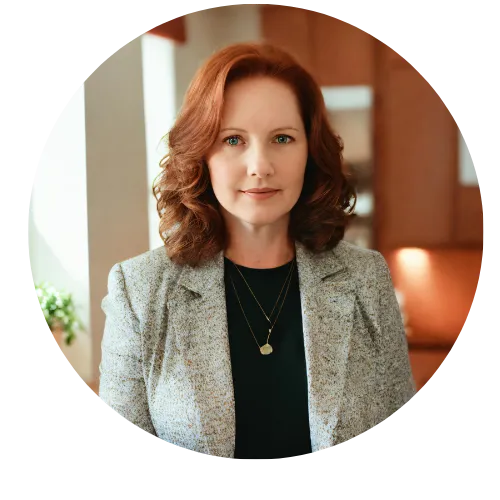
Amber Schroader
With over 30 years of innovation in digital forensics, Ms. Schroader has developed cutting-edge recovery software for everything from smartphones to cloud storage. She is the architect of the "Forensics of Everything" (FoE) framework, a holistic approach to evidence that has set global standards for seizure and processing protocols. Beyond her technical contributions, she is an influential educator and founder of industry certifications, dedicated to shaping the future of the field through her teaching, writing, and speaking.
Paraben Corporation
Paraben Corporation provides digital forensic solutions, with their flagship product being the E3 Forensic Platform. This comprehensive suite empowers investigators to efficiently acquire and analyze data from diverse digital sources, including smartphones, computers, cloud storage, and IoT devices. E3 streamlines digital investigations with its robust features for data acquisition, parsing, analysis, and reporting, catering to law enforcement, government agencies, and private sector professionals.
OSMOSIS
Join the Osmosis Institute and become part of a community dedicated to exploring the frontiers of OSINT.
Connect with like-minded
individuals, researchers, and innovators. Explore the OSC certification for
OSINT investigators. Collaborate with a community of digital investigators.
Cyber Social Hub
Join for FREE & access articles, specialized groups of your interests, informative videos, and a community of other professionals.
ForensicMag
Forensic® (FOR) is the #1 leading source for daily breaking news in the forensic research community. While FOR has evolved over the years since its inception as a former magazine in 2005, FOR continues its unwavering commitment to its loyal readers of forensic and crime scene professionals. Currently, FOR is published daily online and covers a breadth of information vital to forensic professionals - from DNA to trace analysis, sample prep, toxicology, crime scene technologies, and technological advancements across the relatively dynamic and evolving forensic landscape.
Plessas Expert Network Inc.
Founded in 2008, Plessas Experts Network (PEN) is a Woman-Owned, Service-Disabled Veteran-Owned Small Business specializing in open-source intelligence (OSINT) for government, corporate, and legal clients. Through Plessas Academy, PEN has provided advanced OSINT training to over 25,000 law enforcement professionals and numerous corporate investigators, while also supporting research partnerships such as REMND, CYCLES, and collaborations with the University at Albany’s ILS and Boston Fusion. Today, PEN leads in responsible OSINT innovation by integrating AI into investigative workflows, offering human-in-the-loop training and red-teaming, and maintaining a growing Digital Knowledge Base, all guided by a commitment to ethical tradecraft.

PI Magazine
Are you a professional investigator seeking the edge in a constantly evolving field? PI Magazine is your indispensable resource, delivering unparalleled insights, expert analysis, and cutting-edge strategies directly to your doorstep (or inbox!). Each issue is packed with comprehensive and current advice, in-depth articles from seasoned experts, and vital information to help you navigate complex cases, master new technologies, and stay ahead of industry trends.
OSINT Cocktail
Dive into the world of online investigations with the OSINT Cocktail podcast! Join veteran investigators as they dissect films each week, revealing real-world open-source intelligence techniques hidden in plain sight. Learn practical skills in OSINT, digital forensics, fraud investigation, and more, and uncover how to apply these methods to your own inquiries. Tune in and become a more insightful digital investigator!
Why should you attend PFIC...
Why should you attend PFIC...
“If you have not looked at attending the Paraben Forensic Innovation Conference you should. The DFIR event has great talks and lots of hands-on lab tracks. Even though the conference is called Paraben, there are a lot of other forensic companies there. And, you can talk to lots of real users. Unlike other conferences that cost thousands, this digital forensics conference is affordable for any budget.”
Ira Victor, Chief Forensic Analyst
“I was extremely pleased with the incredible professional level of speakers throughout this forum. The information they provided was extremely valuable. Throughout both my police career and digital forensics, I would rate this forum at the very top. PARABEN did an excellent job.”
James Bogers MJB group
“OMG. I learned so much in the first hour of PFIC my mind is blown. As you may or may not be aware, I have been in investigations for over 35 years. I speak internationally on Police Policy and Procedure INVESTIGATIONS. I have NEVER at least that I Can recall, learned so much in one hour! This is such an incredible journey.”
Frank DeAndrea DeAndrea Investigations